The way you eat your bread can matter as much as the bread itself. however this section is about teaching people how to eat their bread and this is educational content and about about a behaviour, not a health claim about the products.
One of reasons that diversity bread matters is because this is not a cheap fast consumer product. It is a slow thoughtful way of looking at your daily bread. Who you reframe your bread as a nourishment and fibre delivery system then the product and onto the behaviour — and does it without asking anyone to give anything up.
Diversity is key to gut health but trying eat more variety start every meal from zero can be hard. So when you bread has a wide diversity in the first place you have a head start on the number of diverse ingredients on your plate.
“How you eat your Diversity Bread®bread is as important as the bread itself ”
Dr Vanessa Kimbell
Almost all food advice is subtractive: cut this out, avoid that, eat less. This about more. What I want rot share about sequenced-and-symbiotic habits is that this is about increasing your diversity, using bread as your start point and re-ordering the sequence you eat your bread. There no fancy equipment, and no major changes, this is about small easy delicious modifications. I want you hold two ides that almost never sit together. I want you to think about the way you feel after yo usher eaten and consider how you eat your bread as part of your personal metabolic story (glucose, insulin, gastric emptying.) The other half I want you to feel connected when you eat your bread. I love the idea that you might take off your show in the park, slow down, eat your bread with people, communicate to your nervous system that you feel safe, anticipation switching on your digestion . This is about putting on that moment, in real live of a beautiful slow gentle habit that supports your system and the wider system that you live in. Your small moments, breakfast, lunch and supper all add up to a lifetime of moments shared. This is beautiful brea has it should be
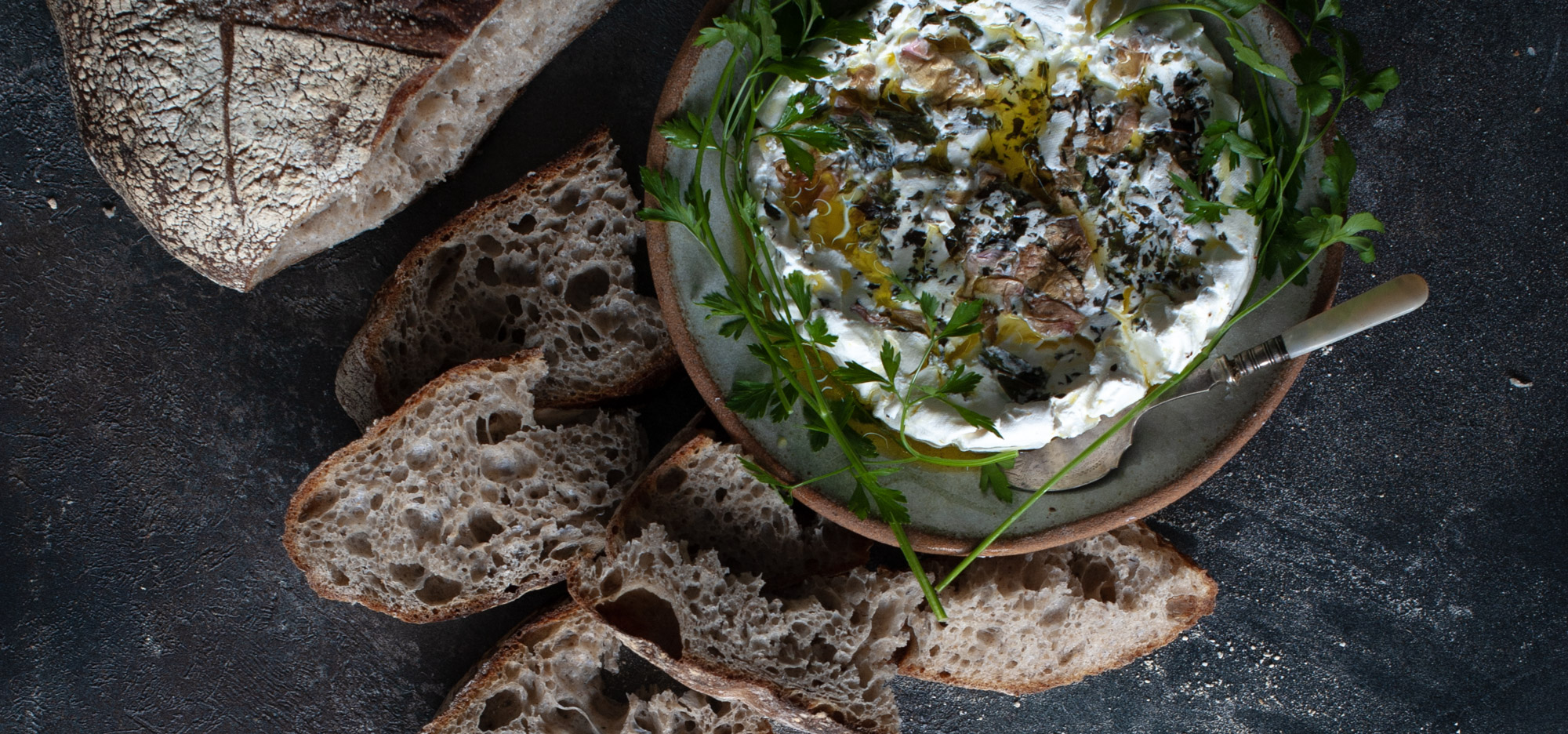
Does it really matter how I eat bread — or only what kind of bread I eat?
The way you eat your matters as much as the bread itself. Choosing a real, long-fermented loaf like Diversity Bread is the first half of the story — but there is a second beautiful opportunity and that is just as important as picking the healthiest bread, and that is how you eat your bread.
Certainly. I think this flows naturally as an FAQ answer and stays close to your voice.
How you eat your bread matters just as much as the bread itself. The very same slice can have a completely different effect depending on the context in which you eat it. Eating in a rush, under stress, or feeling lonely changes the way your body digests and responds to food. We are social creatures. When we slow down, share a meal, eat something green or fermented alongside our bread, and include some protein and healthy fats, we create the conditions for our bodies to make the most of every mouthful.
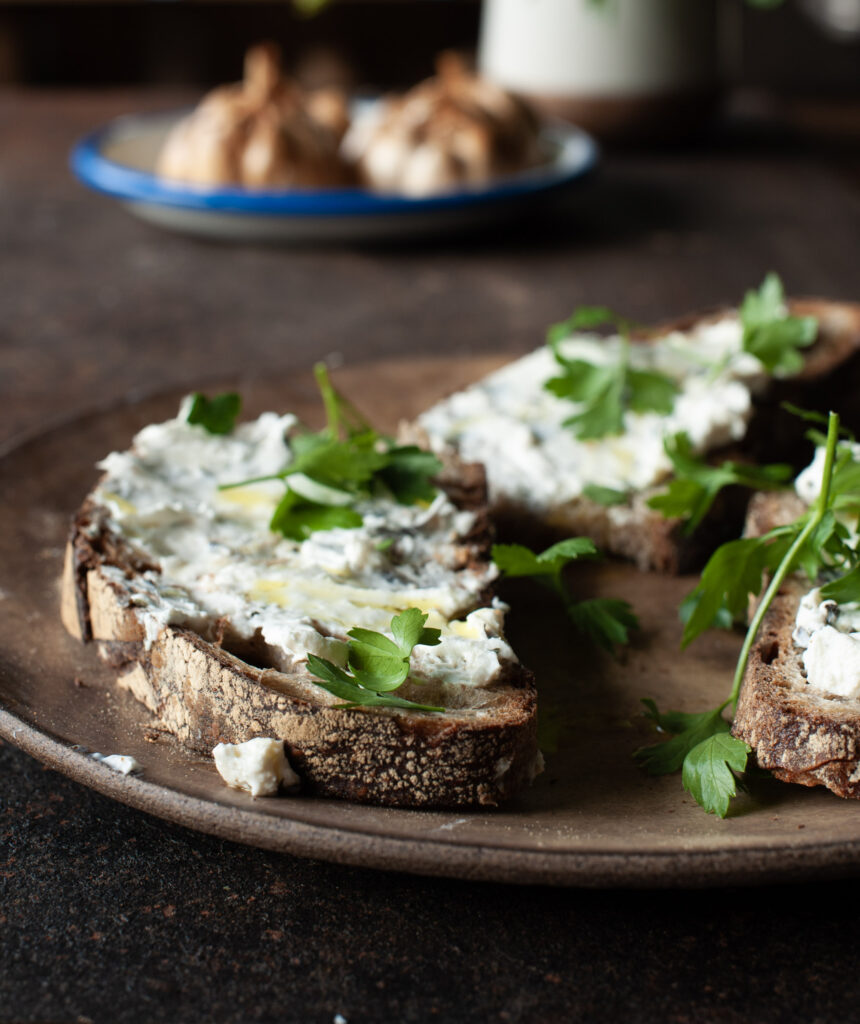
Use your breakfast and lunch as an opportunity.
Think of breakfast, lunch or supper as an opportunity to practise lifestyle medicine. A simple meal of sourdough with hummus, pesto or cream cheese, perhaps with a handful of salad leaves or some fermented vegetables, becomes a gentle, nourishing way of feeding not only yourself but the trillions of microbes living in your gut. Nothing about the bread has changed. Everything about the way you eat it has.
Share
One of the simplest things you can do is make an extra sandwich and invite a colleague, neighbour or friend to share lunch with you. It doesn’t need to be a long occasion. Just twenty unhurried minutes spent eating together can make a remarkable difference to your relationships and that sense of connection.
If the weather allows, take your bread outside. Sit on a bench or beneath a tree. You don’t even have to fill the silence with conversation. There is something deeply restorative about sharing food in companionable silence, enjoying the fresh air, the sunshine and each other’s company.
If you haven’t had time to make a sandwich, simply slice some bread and take a pot of hummus with you. Sit on a park bench and dip your bread as you eat. It’s wonderfully simple, satisfying and easy to share. If hummus isn’t your favourite, a good pesto or some cream cheese works beautifully too.
These small rituals may seem insignificant, but together they transform eating from simply filling your stomach into an act of nourishment for both your body and your microbiome. Sometimes the healthiest ingredient in your meal isn’t an ingredient at all—it’s just the way you choose to eat it.
Why is it important to slow down and tell your body you are safe when you eat?
Digestion does not begin in the stomach. It begins the moment you anticipate something delicious — the smell of toast, the sight of a loaf being torn, the sound of a knife going through crust. That anticipation is your body getting ready: saliva, stomach acid, digestive enzymes and bile all quietly switch on before the first bite arrives.
This is a moment when you can slow down and consciously support your nervous system feeling safe. We are built to digest in what is often called "rest and digest" mode. If you eat while rushing, stressed, distracted or standing up, your body reads it as a threat and holds back the very juices that would have handled your food well. If you eat sitting down, breathing, unhurried and in good company, you send the opposite signal: I am safe, this is good, there is time. Your digestion opens up to meet the meal.
So the first step is the gentlest one of all. Sit down. Slow down. Let yourself look forward to it. This is not a soft extra; it is physiology. A calm nervous system is the ground everything else is built on.