The Diversity Key
🌈 = Diversity Count on every bread
DIVERSITY: 🌈 30 means that the bread contains 30 different plant ingredients contributing to its diversity.
You may also see: Boosted – Diversity Boost 🌾 🫘 🌱 🌸
A bread can also be BOOSTED when a baker has deliberately built more fibre from a wider diversity of plant groups into the bread on top of the Diversity Flour.
🌾 Grains 🫘 Pulses 🌱 Pseudocereals & seeds 🌸 Botanicals
The aim isn’t simply to eat more plants.
It is to eat more different plants – and Diversity Bread® gives every plate somewhere extraordinary to begin with and we know how much easier it is to start every day with a diversity built in to you bread. it is just there, without having to think about it as your foundation.
The Diversity Score reflects the range of different grains, seeds, pulses, botanicals and other plant foods used to make this bread. Diversity matters because different plants bring different fibres, resistant starches, polyphenols and other phytochemicals into the diet. These compounds are metabolised differently and provide substrates for different members of the gut microbiota, helping to support a more diverse microbial ecosystem and the production of beneficial metabolites, including short-chain fatty acids.
Importantly, diversity is not simply about adding more of the same ingredient. We count different varieties as each having their own score. Why? Because each one has it’s own distinct nutritional and phytochemical profiles, which is why, where they are specifically included in the recipe, varieties such as YQ Wheat and Black Wheat, Naked Oats and oats, Black and White Sesame, and Brown and Golden Linseed are each recognised separately as a count within our Diversity Score.
“Diversity is the key.” — Professor Tim Spector
The Diet Myth
Diversity Score
All Diversity Breads have a score of between 15 and 30, reflecting the deliberately broad range of ingredients within the bread. It is a practical way of bringing greater dietary diversity into something many of us eat every day.
Increase your Diversity Score Every Time You Eat
We don’t think of the Diversity Score as something that stops with the bread. I think of the bread as the foundation for adding even more diversity to your meal.
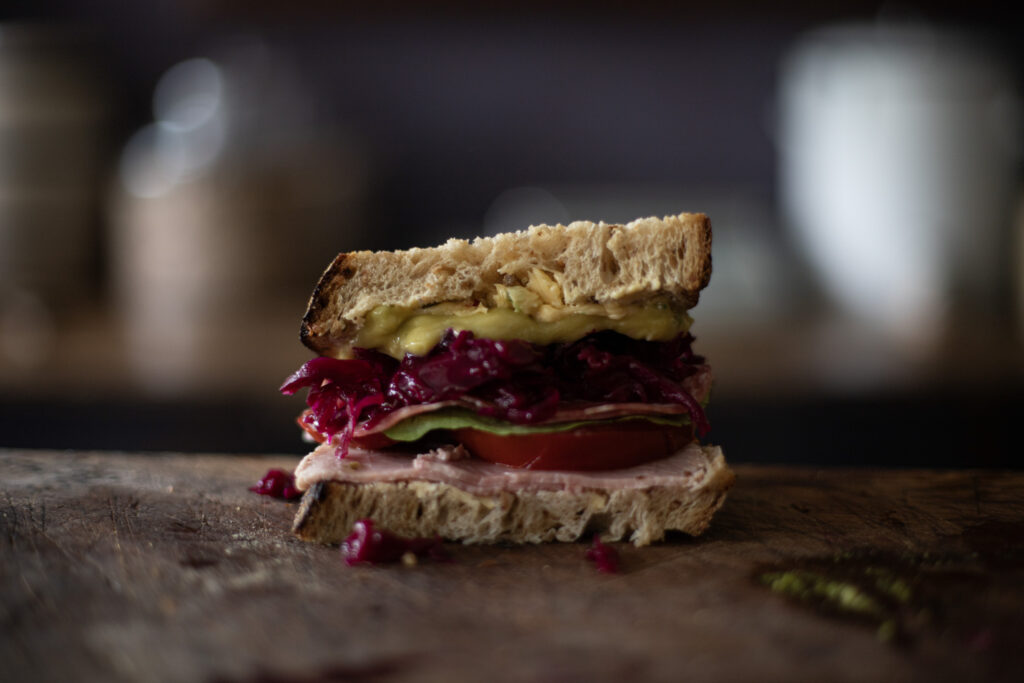
What you put on your bread counts too. Add different nuts and seeds, fresh herbs, salad leaves, vegetables, fruits, pulses and fermented foods. Try hummus with herbs and seeds, tomatoes with basil and extra virgin olive oil, nut butter with berries, or an open sandwich piled with seasonal vegetables.
Think about varieties, not simply ingredients. A red apple and a green apple can bring different profiles of polyphenols; black and white sesame, different varieties of grains, coloured vegetables and different herbs all help broaden the range of fibres and phytochemicals reaching the gut.
And rotate what you eat. Diversity is about what happens across the week, not what you can cram onto one slice of bread. Change your toppings, eat with the seasons and look for colour, variety and different plant families.
My simplest advice is this: use your bread as a vehicle for diversity. Every slice is an opportunity to add another plant, another fibre and another polyphenol-rich food to your diet.